
In Indian weddings, the Ghodi plays a deeply symbolic role—especially during the groom’s baraat, or wedding procession. Traditionally adorned with colorful fabrics, mirror work, and regal accessories, the Ghodi isn’t just a horse—it’s a reflection of honor, pride, and cultural legacy. From majestic Rajasthani ceremonies to high-energy Mumbai baraats, the groom’s arrival on a beautifully decorated Ghodi remains one of the most memorable and cherished moments of the celebration.
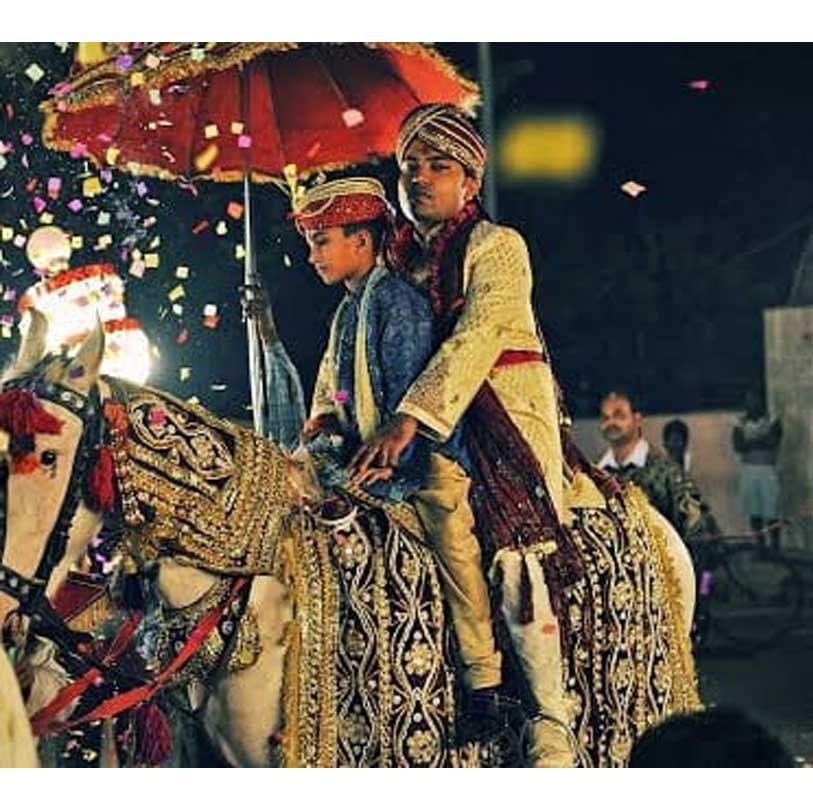
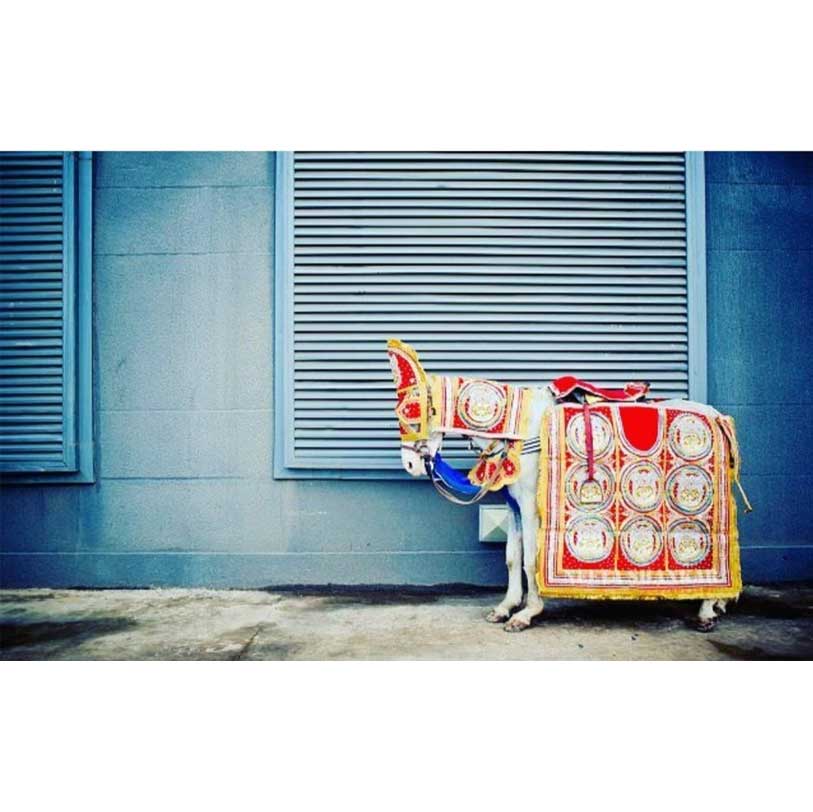
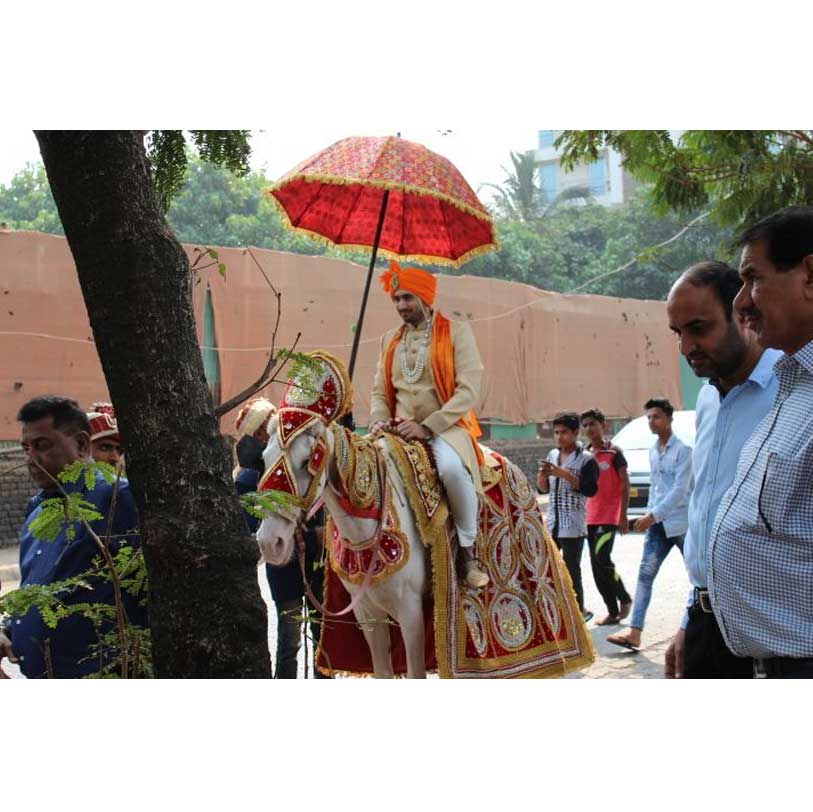
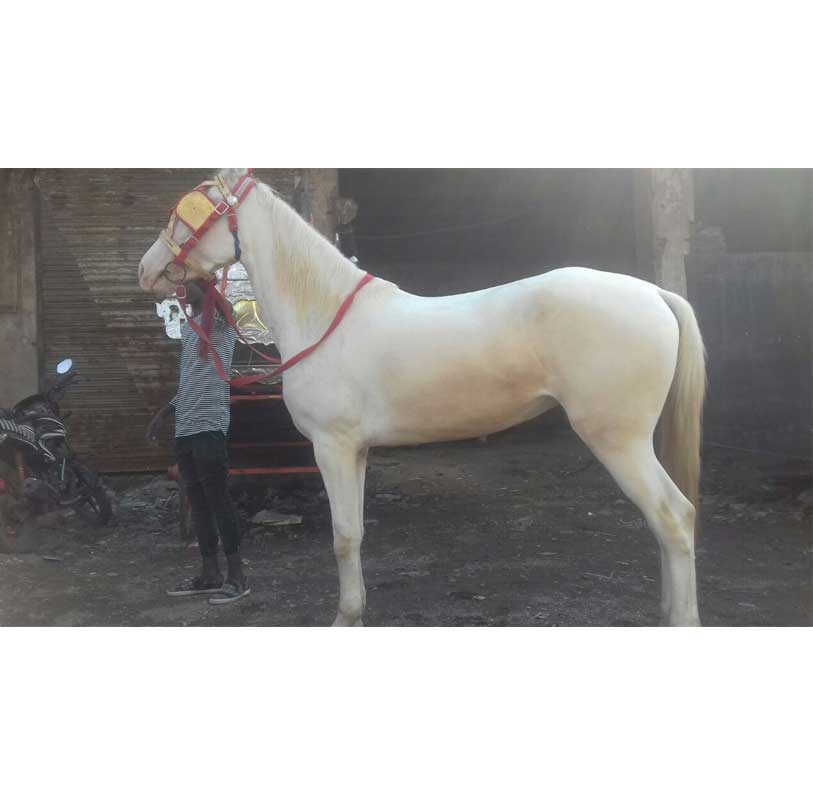
The tradition of the groom riding a Ghodi dates back centuries. In many Indian cultures—especially among Rajputs, Marwaris, Punjabis, and North Indians—the horse is seen as a symbol of valor, nobility, and spiritual strength. Historically, kings and warriors would ride horses into battle or into town as a show of power and status.
In weddings, this symbolism carries over. The groom’s arrival on a Ghodi represents his readiness to take on the responsibilities of married life, his pride in uniting families, and his commitment to the journey ahead.
In Hindu weddings, the Ghodi is sometimes blessed or given offerings before the ride, as a mark of respect for the animal. In Sikh weddings, too, the horse is seen as a symbol of honor and strength.
Even as weddings become more modern—with destination events, designer outfits, and digital invitations—the presence of the Ghodi remains relevant and popular. Here’s why:
There’s something undeniably cinematic about a groom approaching the wedding venue on a beautifully dressed horse, surrounded by family, friends, music, and dance. It creates a regal and joyful scene that photographers love and guests never forget.
For many families, including a Ghodi in the wedding isn’t just for aesthetics—it’s a conscious choice to honor ancestral traditions and preserve cultural identity.
The baraat (groom’s procession) is one of the most lively and energetic parts of an Indian wedding. The Ghodi becomes the focal point, often accompanied by a band, dhol players, and dancing relatives, setting the tone for the festivities ahead.
While the term “Ghodi” generally refers to a mare (female horse), in the context of weddings, it simply means a well-groomed, docile horse used for ceremonial purposes.
Here are some popular types used in weddings:
The classic choice for weddings, white horses symbolize purity and peace. They stand out beautifully against colorful wedding outfits and decorations.
These horses are dressed in vibrant fabrics, mirror work, tassels, bells, and feathered headgear—perfect for traditional or Rajasthani-themed weddings.
For more modern couples, a minimally adorned Ghodi with neutral tones or pastel shades is a popular trend. It blends tradition with elegance.
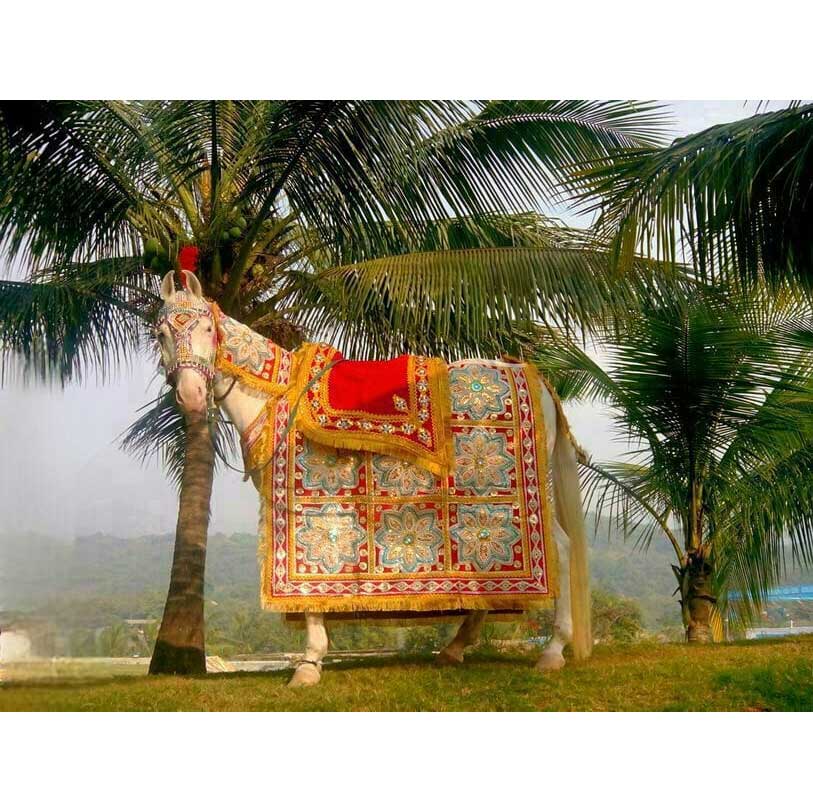
The groom’s entry is a showstopper moment. Traditionally, the groom mounts the Ghodi at a designated point, usually a little distance away from the venue. Accompanied by music, dhol, and dancing guests, the procession—called the baraat—makes its way slowly to the wedding venue.
What Happens During the Entry:
In the Instagram era, couples are finding creative ways to include the Ghodi in their pre-wedding photoshoots and wedding reels.
Popular concepts include:
The presence of the Ghodi adds an authentic cultural backdrop to your wedding content and elevates its visual storytelling.
With the rise of professional wedding planning services, Ghodi rental services have also become more accessible and customizable. Most services now offer:
Whether your wedding is ultra-traditional or ultra-modern, you can now match the Ghodi’s look to your aesthetic. Some popular styling ideas include:
Safety is a top concern when renting a Ghodi for a wedding. Reputable vendors ensure:
Want to make your groom entry even more unforgettable? Consider pairing the Ghodi with:
Some planners even offer full groom entry packages that combine all these elements in one seamless experience.
Booking a Ghodi for your wedding is simple, but timing matters.
When to Book:
How to Book:
In recent years, there has been growing awareness about the ethical treatment of animals in events. Reputable vendors ensure:
Some eco-conscious weddings even opt for symbolic or alternative entries using mechanical Ghodi setups or decorated carts to reduce animal involvement while preserving the tradition.
Ready to add the royal touch to your wedding with a beautifully adorned Ghodi?
Whether you’re planning a traditional baraat, a themed groom entry, or a cinematic pre-wedding shoot, our trained and elegantly decorated Ghodi will elevate the experience for everyone involved.
✅ Safe, well-groomed, and crowd-ready horses
✅ Customizable decoration to match your wedding theme
✅ Professional handlers and on-time service
✅ Combo packages with dhol, safas, flower showers & more
📲 Call or WhatsApp us now to check availability:
📞 +91 9821856812 / +91 9833137878
🌐 Visit: www.gautamevent.com
🎉 Early bookings get exclusive discounts and priority slots!
A Ghodi is a ceremonial horse used during Indian weddings, traditionally for the groom’s grand entry during the baraat. It’s often decorated with colorful fabrics, mirror work, and accessories to match the wedding theme. Riding a Ghodi symbolizes pride, tradition, and readiness to begin a new life chapter.
The tradition of riding a Ghodi stems from ancient Indian customs where warriors and kings rode horses. In a wedding, it represents the groom's strength, dignity, and commitment. It’s also a cultural tribute to ancestral values and creates a majestic visual experience.
Yes. Professional Ghodi rental services provide well-trained, calm horses that are accustomed to music, dancing crowds, and noise. Handlers are always present to guide the horse and assist the groom during mounting and dismounting.
Not at all. Grooms don’t need prior experience. The Ghodi walks at a gentle pace, and handlers assist throughout the baraat. If you're nervous, you can request a brief practice mount before the event.
Yes! Most rental services offer customized Ghodi decor including fabric color, embroidery style, mirror work, and matching accessories. You can also personalize elements like the saddle cloth with initials or family insignias.
Prices vary depending on your location, duration, and decor level. On average:
It’s best to book 3 to 4 weeks in advance, or even earlier during peak wedding seasons. Early booking ensures your preferred horse, decoration style, and time slot are available.
Yes, absolutely! Many couples use a decorated Ghodi for cinematic shoots, save-the-date videos, or themed couple sessions. Vendors usually offer special packages for such shoots with trained staff on site.
Yes. Many Ghodi rental vendors offer combo packages including:
No worries. Some grooms choose to walk alongside the Ghodi or opt for a symbolic entry where they mount only for photos. Alternatively, decorated carts or swan chariots are offered as substitutes.
Reputed vendors prioritize animal care. The horses are: